

Passivation: reliable corrosion protection and adhesion surface for aluminum
Passivation is an effective surface treatment process for aluminum that provides corrosion protection and improves paint adhesion. The thin protective layer created during the process conducts electricity, making it technologically different from anodizing, which is insulating.
Choose our company for professional passivation solutions!
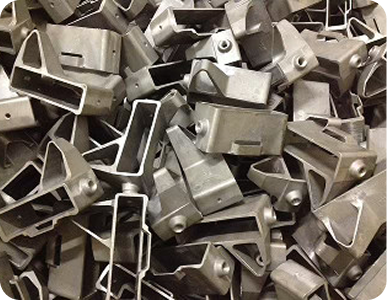
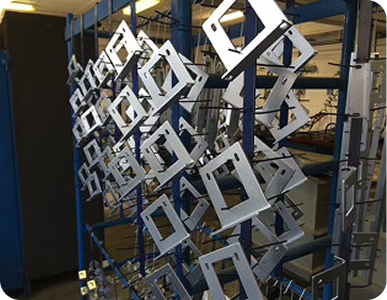
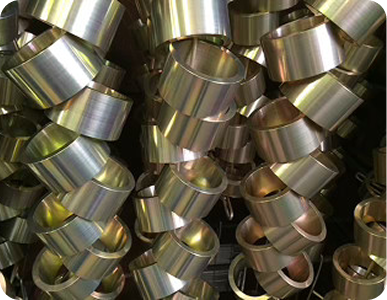
Advantages of passivation
- corrosion protection
- paintable
- conducts electricity
- forms an adhesive surface
Passivation is particularly beneficial in industrial applications where aesthetics are less important, but long-term protection and precise surface properties are vital.
Learn about our services


The importance of passivation
Passivation is one of the most common methods of surface treatment of aluminum, which, in addition to corrosion protection, also improves the adhesion of paints and powder coatings. During the process, a thin conversion layer is formed on the surface of the metal, providing invisible protection against environmental influences.
Passivation conducts electricity, while anodizing insulates!
The reliability of the process lies in the fact that it is a technology that has been proven and continuously improved for decades. In practice, this means that it can be adapted to different needs in different industries, whether it is a structural element exposed to high stress or a smaller, precision part.
Technological process of colored anodizing
The first step in color anodizing is to prepare the aluminum surface: mechanical processing (grinding, bead blasting, abrasion), then degreasing and cleaning. This is followed by anodic oxidation, during which a porous oxide layer is formed on the metal surface. The coloring agents are added to this layer, which can be introduced into the pores by various methods.
The most common method is the introduction of organic dyes, which provides a wider range of colors, allowing designers to realize almost any visual idea. The final step of colored anodizing is sealing, which closes the pores and ensures long-term durability of the colors.
Each step of the process takes place under strictly controlled conditions, as the quality of the final coating directly depends on the precision of the preparation, oxidation and coloring. The right parameters ensure that the colors are uniform and durable, while the protective functions of the coating are also maximized. Professional experience plays a key role in ensuring that the final result is reliable.
Technological process of passivation
Passivation is a chemical reaction-based process that requires careful preparation. The first step in the process is to clean and degrease the surface so that no dirt can interfere with the formation of the coating. The workpiece is then immersed in a special chemical solution that reacts with the aluminum and creates a protective conversion layer.
This layer is extremely thin, yet it significantly improves the corrosion resistance of the surface. During passivation, the porous structure of the layer promotes the adhesion of paints or other coatings, which is why it is an essential pre-treatment step in many cases. The precise execution of the technology ensures that the surface remains durable and reliable, even under extreme conditions.
Every detail counts during preparation and chemical treatment, as even a single blemish can impair the adhesion of the coating. The process takes place under controlled conditions, with precise temperature and solution composition. This ensures that the coating is always uniform and of high quality.
Industrial applications
Passivation can be used in various industrial areas, as surface treatment does not meet aesthetic goals. For example, it is widely used in the automotive industry to protect aluminum components, as vehicles are increasingly exposed to corrosion caused by weather and chemical influences. In the electronics industry, the thin layer not only provides protection, but also allows for the maintenance of electrical conductivity, which is essential for certain components.
One reason for its widespread use is that the thin layer does not affect the dimensional accuracy of the components, so precise fit is still ensured. This is especially important in areas where, in addition to mechanical stress, precise fit is also a prerequisite, such as aerospace or precision mechanical components.
Advantages of passivation compared to other processes
One of the biggest advantages of passivation is that it creates a thin, yet effective layer that does not significantly change the dimensions or properties of the workpiece. The process saves energy and materials while providing long-term protection. However, it cannot be combined with anodizing, but it can be combined with painting. This further increases its service life.
The advantages of the process include that it can be easily combined with other surface treatments and can increase durability in several ways (it is used as a pre-treatment before other surface treatments). The properties of the coating allow structures to maintain their condition for longer while requiring less maintenance. This is an economical solution for businesses in the long run.
Why is it worth choosing this solution?
Passivation is one of the most modern solutions for protecting and ensuring the longevity of aluminum surfaces. The process is cost-effective, reliable and flexible, as it can be easily adapted to different industrial needs. Whether used alone or as a complement to other surface treatment methods, the process always contributes to the durability and aesthetic value of the workpiece.
Expert workmanship ensures that treated aluminum surfaces meet the most stringent industrial requirements, while providing a cost-effective and sustainable solution. This is why this process is increasingly becoming a standard requirement in all industries where safety and long-term reliability are essential.
Why choose Grobelox Ltd.?
We have decades of experience in the field of aluminum surface treatment. Our services include anodizing and CRVI-free passivation, as well as additional processes such as glass bead blasting and laser marking for serial products. Quality and reliability are of paramount importance to our company, which is why we carefully control every work process and pay special attention to meeting deadlines.

Thanks to our expertise, our customers can be sure that the surface treatment meets the strictest industrial requirements in every respect. In addition, we are flexible in adapting to customer needs, whether it is individual coloring or series production.
Our company guarantees that the end result not only meets technological requirements, but also provides a long-term, aesthetic and durable solution. For their customers, this reliability and quality represent the greatest value.
Technical anodizing: the main consideration is not decoration, but increasing durability, corrosion protection, and wear resistance. This is an example of the surface treatment of castings.
Our values
Quality
In addition to providing efficient service to our customers, we also keep the quality of our products and services in mind.
Satisfaction
We are committed to the continuous development of the company, maintaining recognition among our customers.
Sustainability
With our modern wastewater treatment equipment, we optimize our water usage and recycle a significant portion of the treated used water.

